Service
Wood Fence Installation & Construction
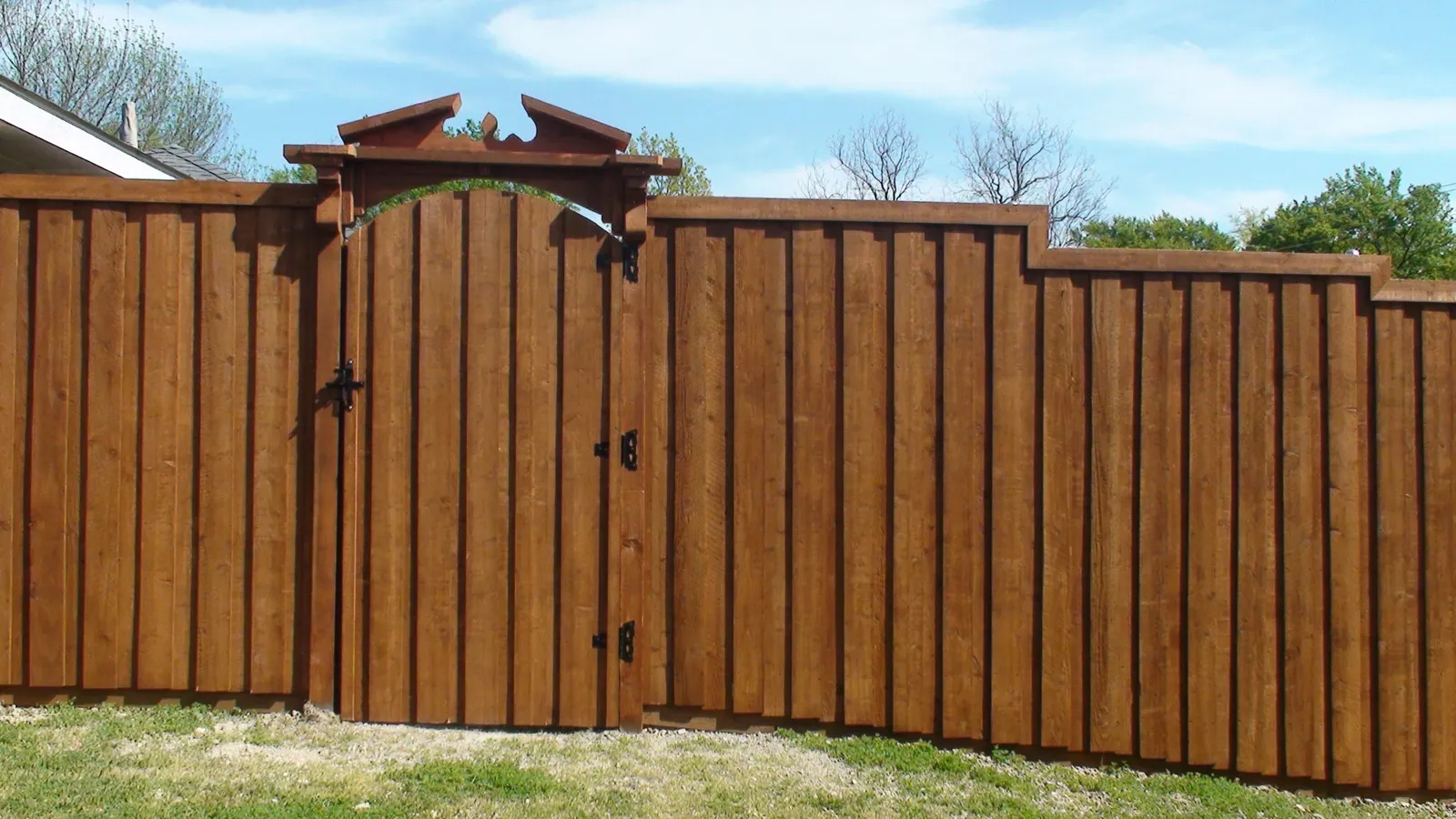
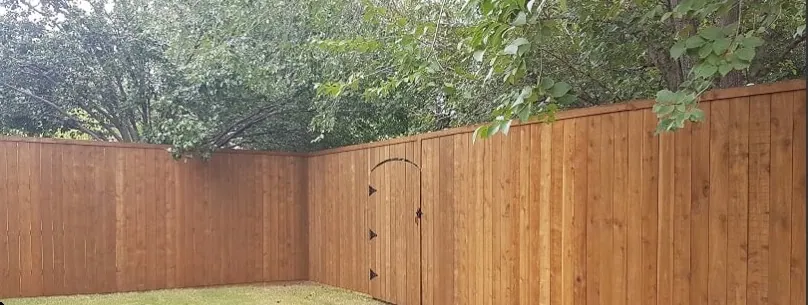
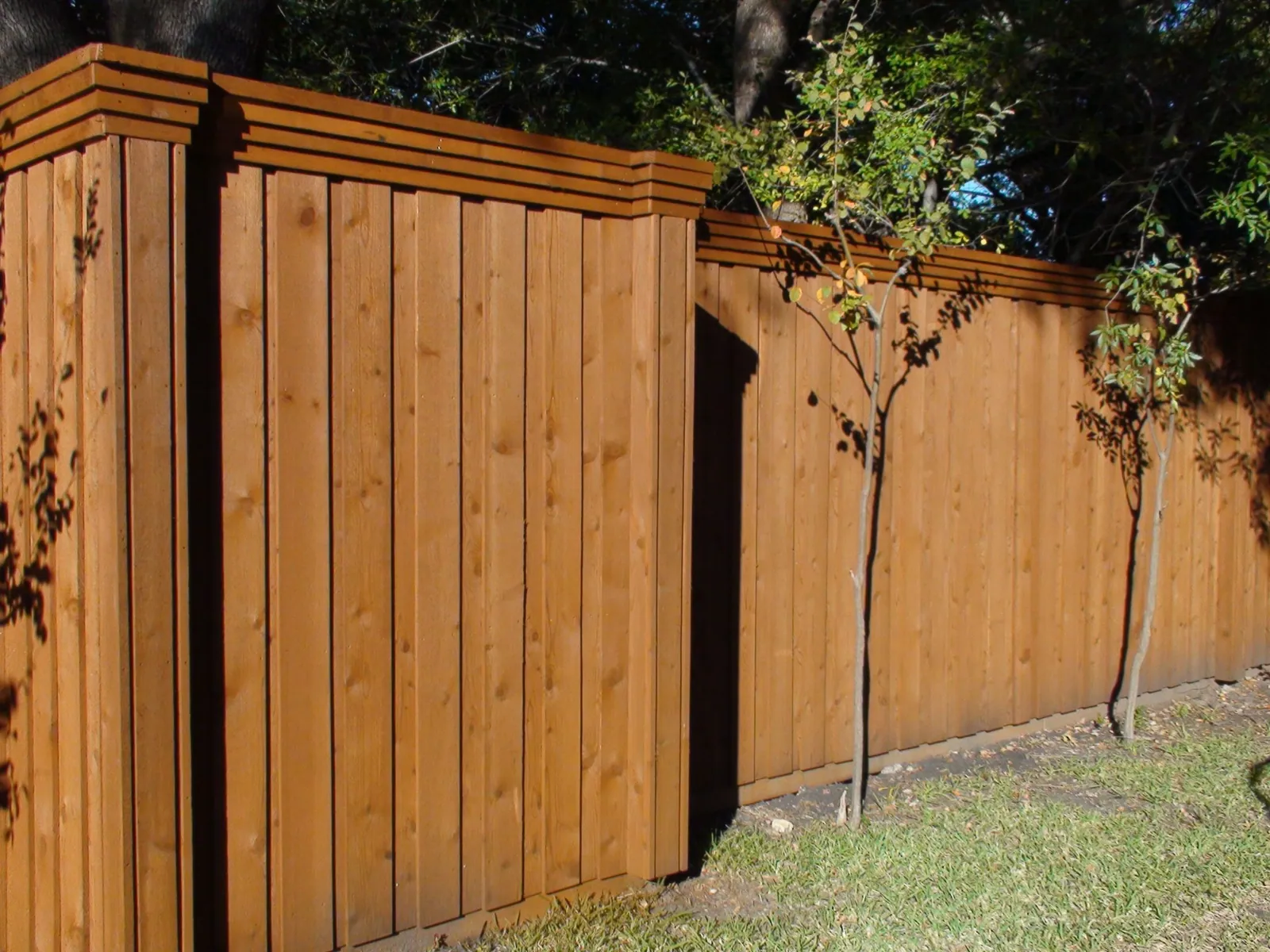
Fence Max Texas designs, manufactures and installs custom wood fencing across the Dallas–Fort Worth area, including cedar, privacy, pressure-treated, picket and board-on-board fences with top cap, arched trim and matching gates for residential, commercial and industrial properties.
Fence Max Texas specializes in the manufacture, design and installation of a wide variety of wood fencing and related products — including residential, commercial and industrial fencing, cedar fence, privacy fence, pressure-treated fence, picket fence, board-on-board fencing, top cap, arched trim, gates and much more.
Every fence we build starts with a site visit. Yard grade, drainage, tree lines, existing posts, HOA requirements and how the fence will be used all change the right way to build it. We put that into a written design and a clear estimate before any material is ordered.
We work with a large network of experienced and licensed contractors so unexpected problems — an underground gas line that needs relocating, an unusable old post footing, a shared property line — get solved quickly rather than stalling the project.
Why it works here
Built for North Texas
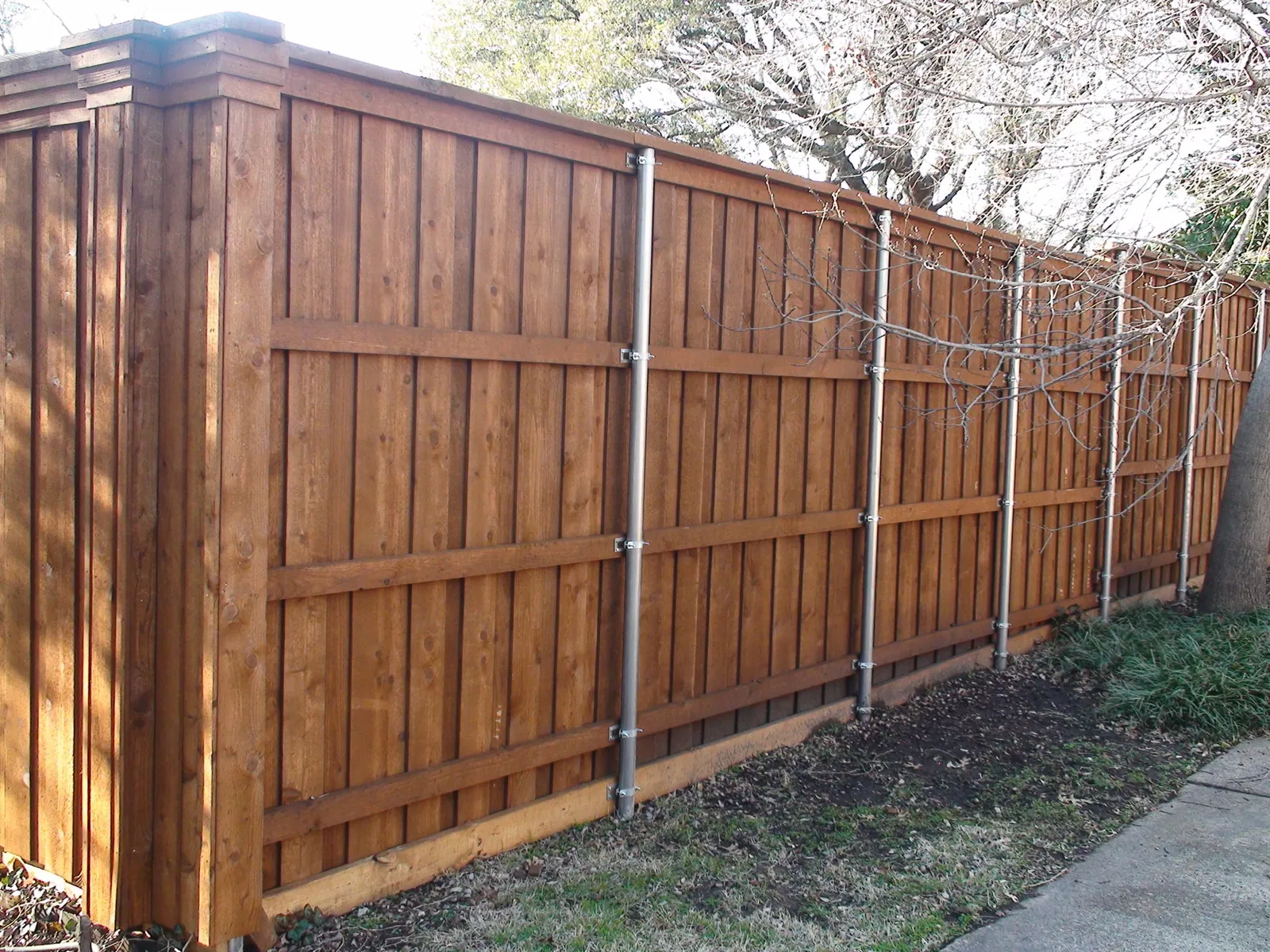
Rot board on every fence
A pressure-treated board runs along the bottom of the fence to protect the wood from ground moisture and to stop animals from digging underneath.
Quality fence material
We use only the finest quality material available to ensure the highest fence longevity together with your custom fence design.
A dedicated project manager
One person is responsible for your job from design through final walkthrough — personal attention, on-time completion and coordinated crews.
Exclusive workmanship warranty
Fence Max Texas provides an exclusive warranty on all of its installed fence products.
Materials & options
- Western red cedar
- Pressure-treated pine
- Board-on-board construction
- Side-by-side construction
- Top cap and trim
- Arched and scalloped tops
- Corbels and decorative columns
- Steel or cedar posts
- Stain and sealer finishes
What affects cost
- Total linear footage and number of corners
- Fence height and picket layout (side-by-side vs. board-on-board)
- Cedar vs. pressure-treated material
- Post material and depth required by the soil
- Trim details: top cap, arches, corbels, columns
- Number and size of gates
- Demolition and haul-off of the existing fence
- Site access, slope and drainage work
- Stain or sealer finish
Texas weather
North Texas moves through hard freezes, long triple-digit summers, expansive clay soils and spring storms in a single year. That combination is what actually ages a wood fence: soil movement loosens shallow posts, UV greys the boards, and repeated wet-dry cycles cup and split lumber that was never sealed. We set posts deep in concrete, keep the wood off grade with a rot board, and recommend staining once the fence has dried out so the finish penetrates instead of sitting on the surface.
Maintenance
Rinse the fence and check hardware once a year. Plan on re-staining every two to four years depending on sun exposure — west and south-facing runs fade first. Keep sprinkler heads pointed away from the boards, trim vines and shrubs back a few inches for airflow, and replace any single damaged picket early rather than letting moisture spread.
FAQ
Common questions
- What is board-on-board fencing?
- Board-on-board fencing overlaps each picket over the one beside it, so there are no gaps when the wood shrinks in summer. It uses more material than a side-by-side fence and gives true privacy for the life of the fence.
- Is cedar or pressure-treated wood better in Texas?
- Cedar is naturally more resistant to rot and insects and holds stain beautifully, which is why most of our residential fences are cedar. Pressure-treated pine costs less and is a solid choice for posts, rot boards and budget-conscious projects.
- Do I need HOA approval?
- In most Dallas–Fort Worth subdivisions, yes. Your HOA declarations usually specify height, picket direction, stain color and cap style. We will give you the design details you need to submit for approval.
- Do you remove the old fence?
- Yes. Demolition and haul-off of the existing fence is quoted as part of the project so you know the full scope up front.
- How long does a wood fence installation take?
- Most residential fences are completed in a small number of working days, but the schedule depends on footage, weather, concrete cure time and gate fabrication. Your project manager gives you the specific timeline for your job in writing.
- Should I stain a new fence right away?
- Not immediately. New wood needs time to dry out so the stain can penetrate. We will tell you when your fence is ready and can handle the staining for you.
- Do you build commercial and industrial wood fencing?
- Yes. We handle residential, commercial and industrial fencing. No job is too big or small.
Recent work
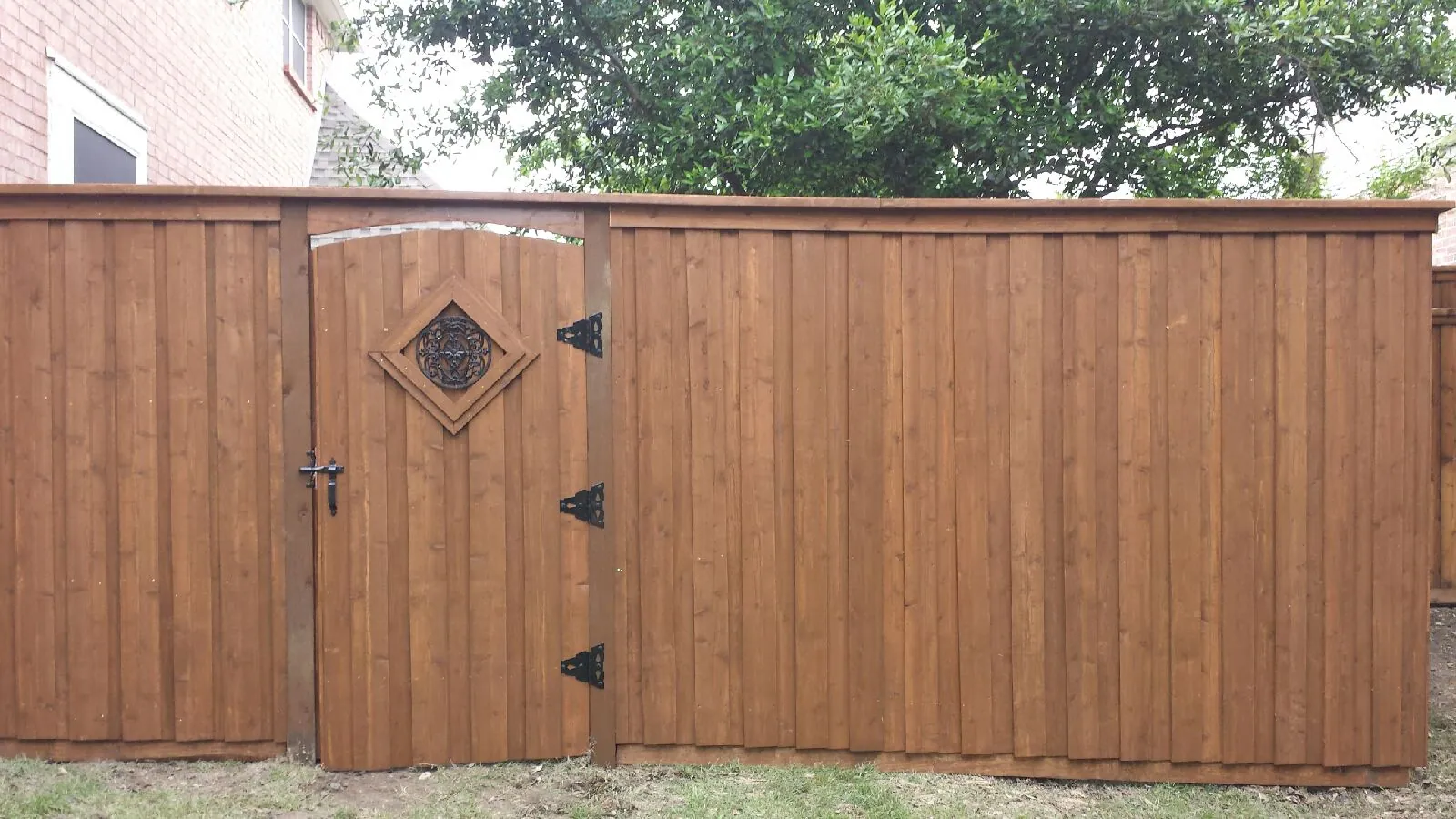
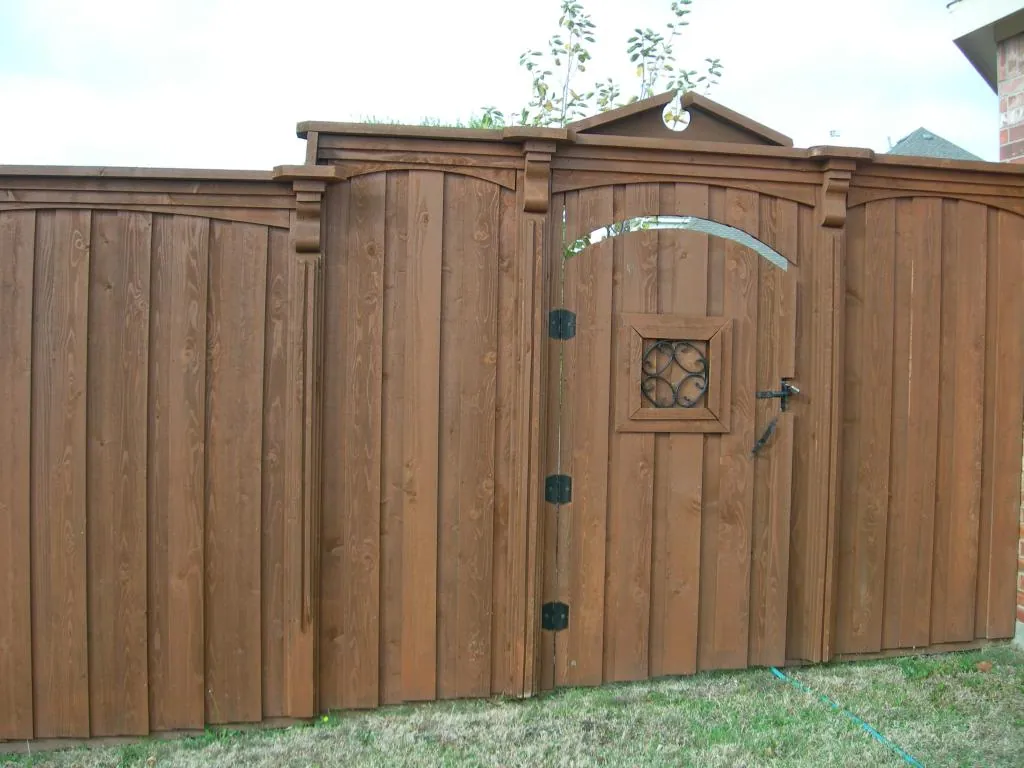
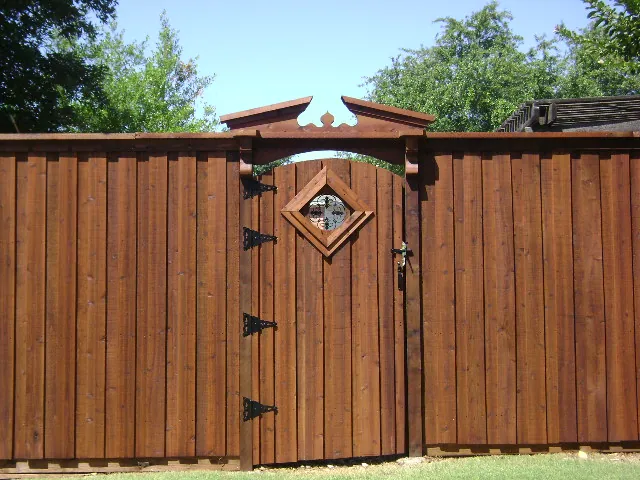
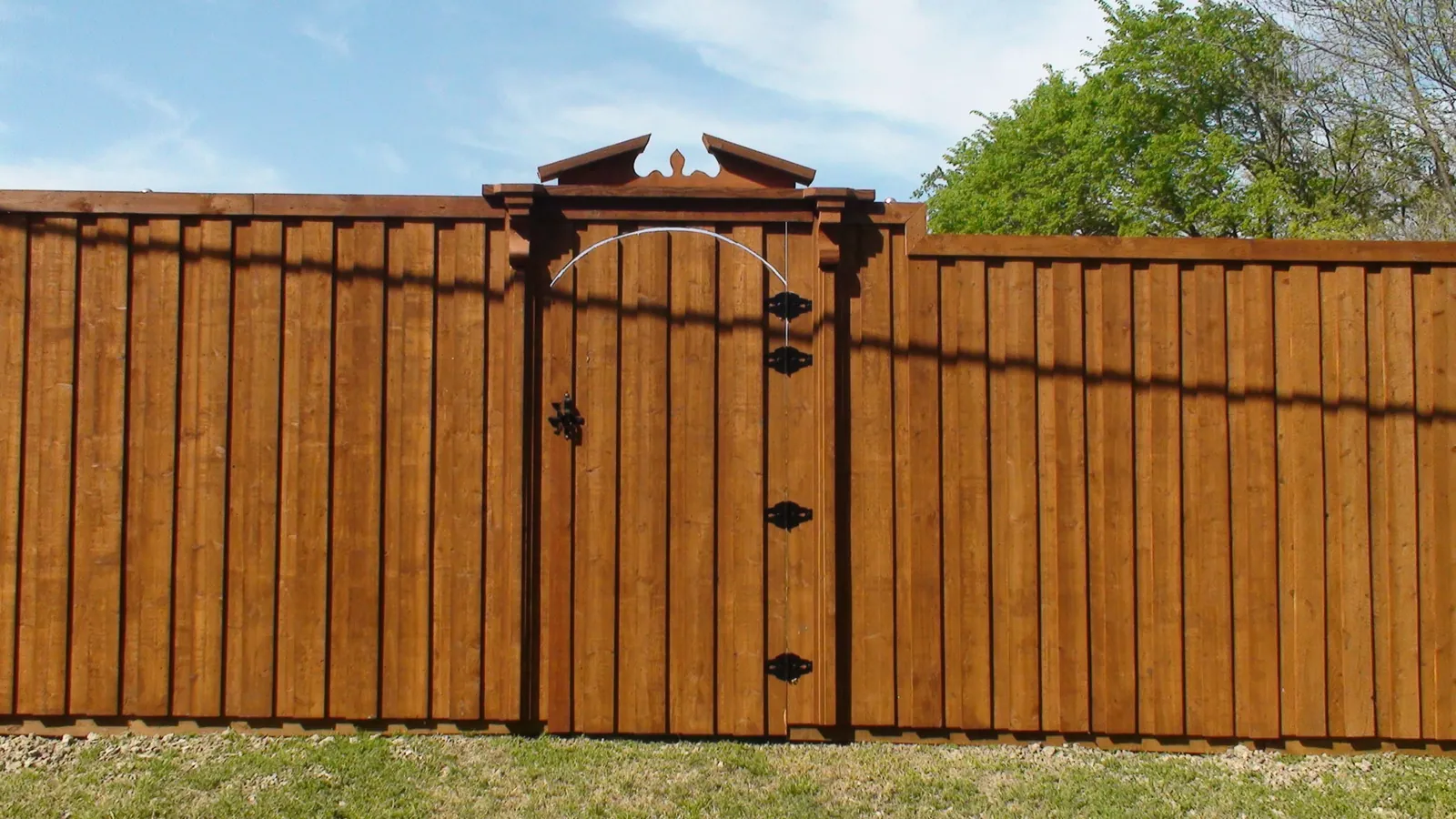
Wood Fence Installation projects
Keep exploring
Related services
Ready to start your project?
Free design and estimate consultation across the Dallas–Fort Worth area. No haggle pricing, no bait and switch.