Service
Cedar Fence Installation
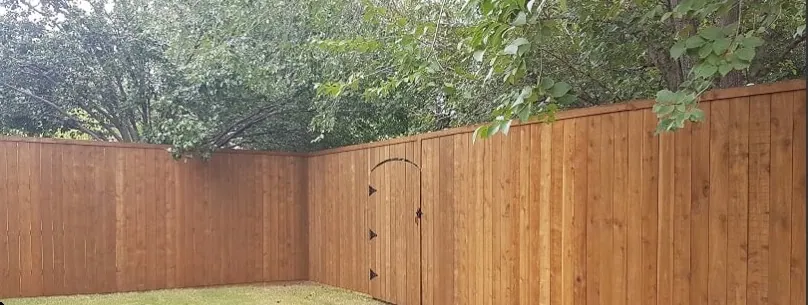
Cedar is the most common fence material Fence Max Texas installs in Dallas–Fort Worth. It resists rot and insects naturally, holds stain well and can be built side-by-side or board-on-board with top cap, trim and matching gates to suit the property.
Cedar is the workhorse of residential fencing in North Texas for a straightforward reason: the wood contains natural oils that resist rot and insects without chemical treatment, and it accepts stain far better than most alternatives.
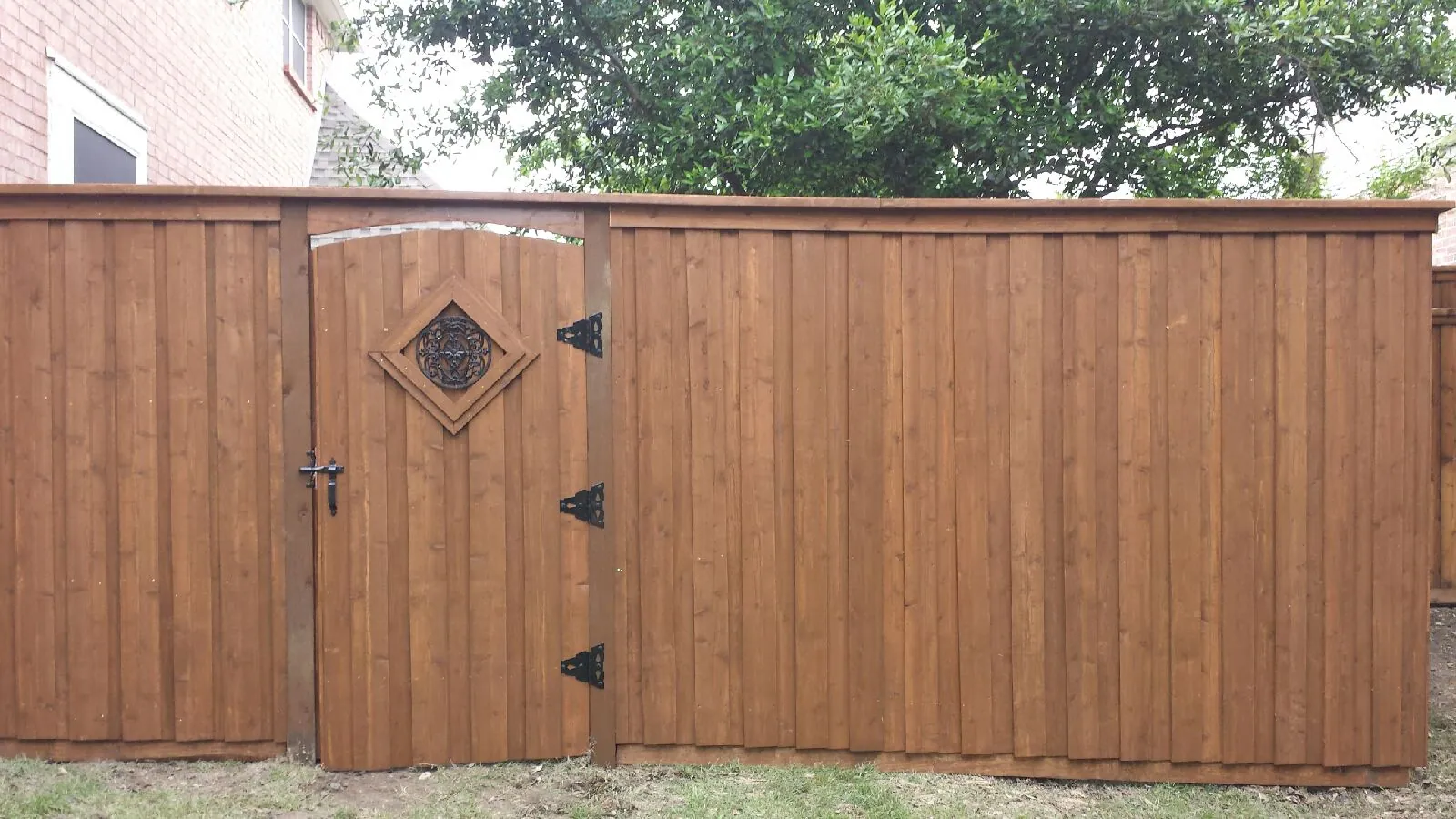
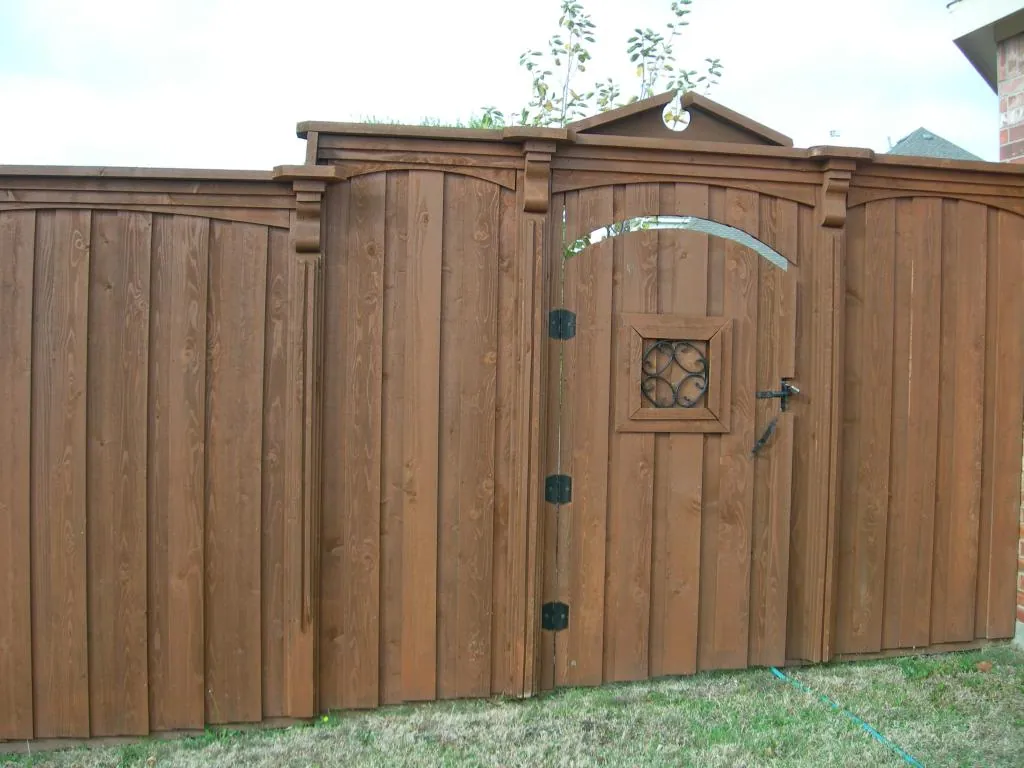
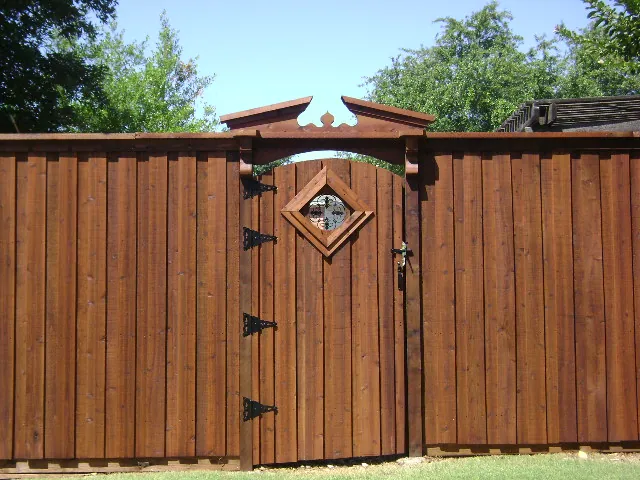
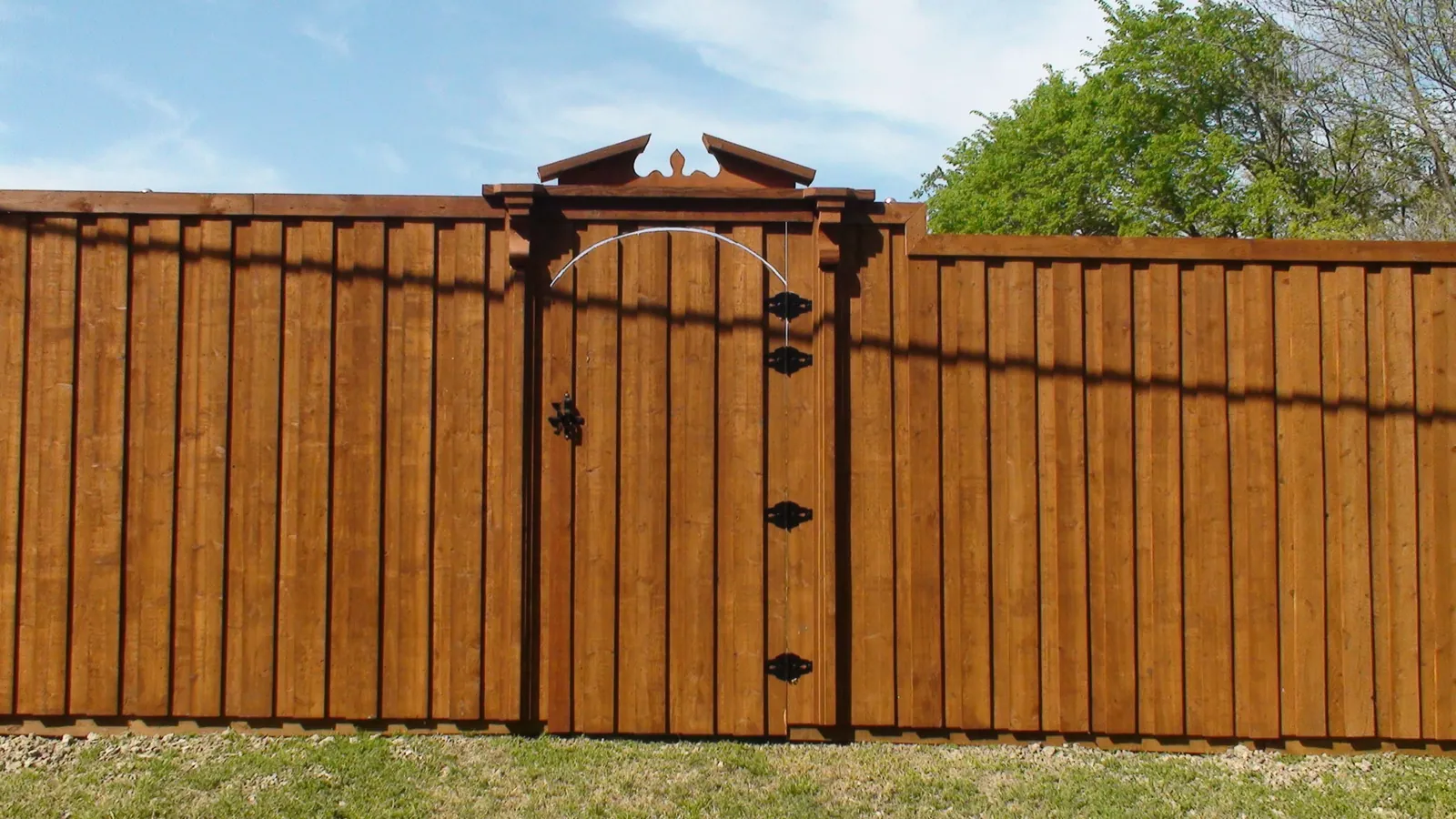
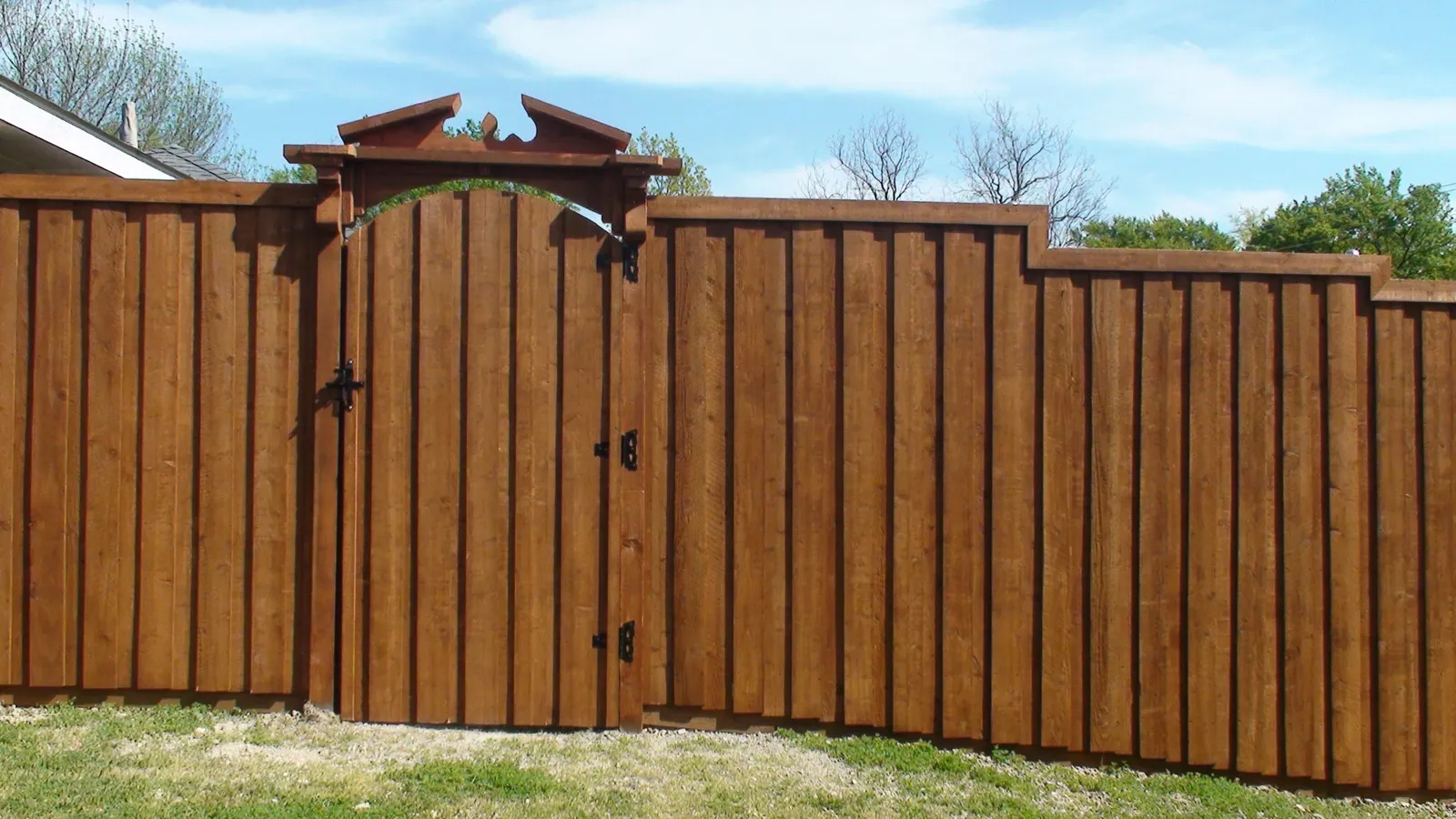
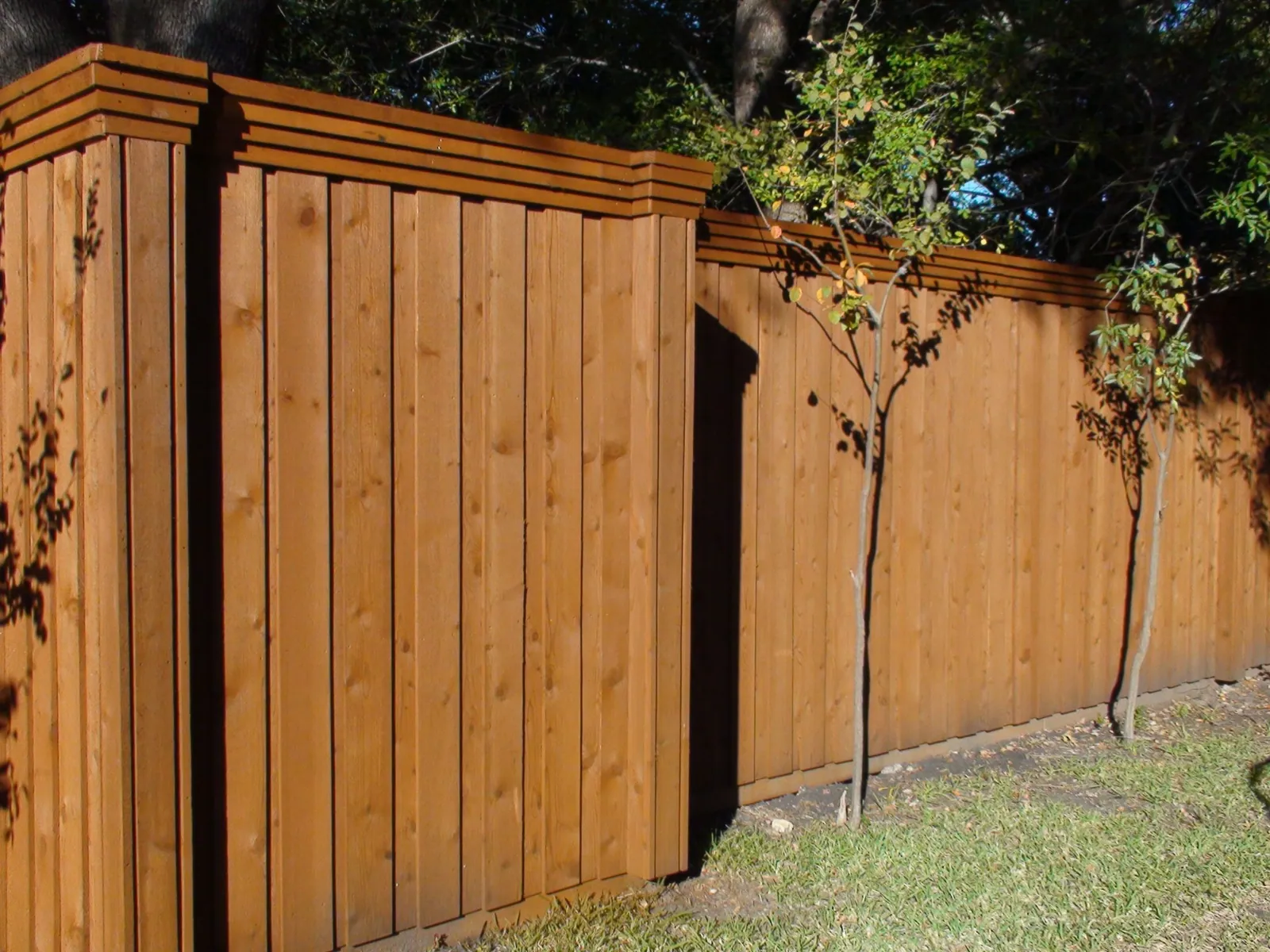
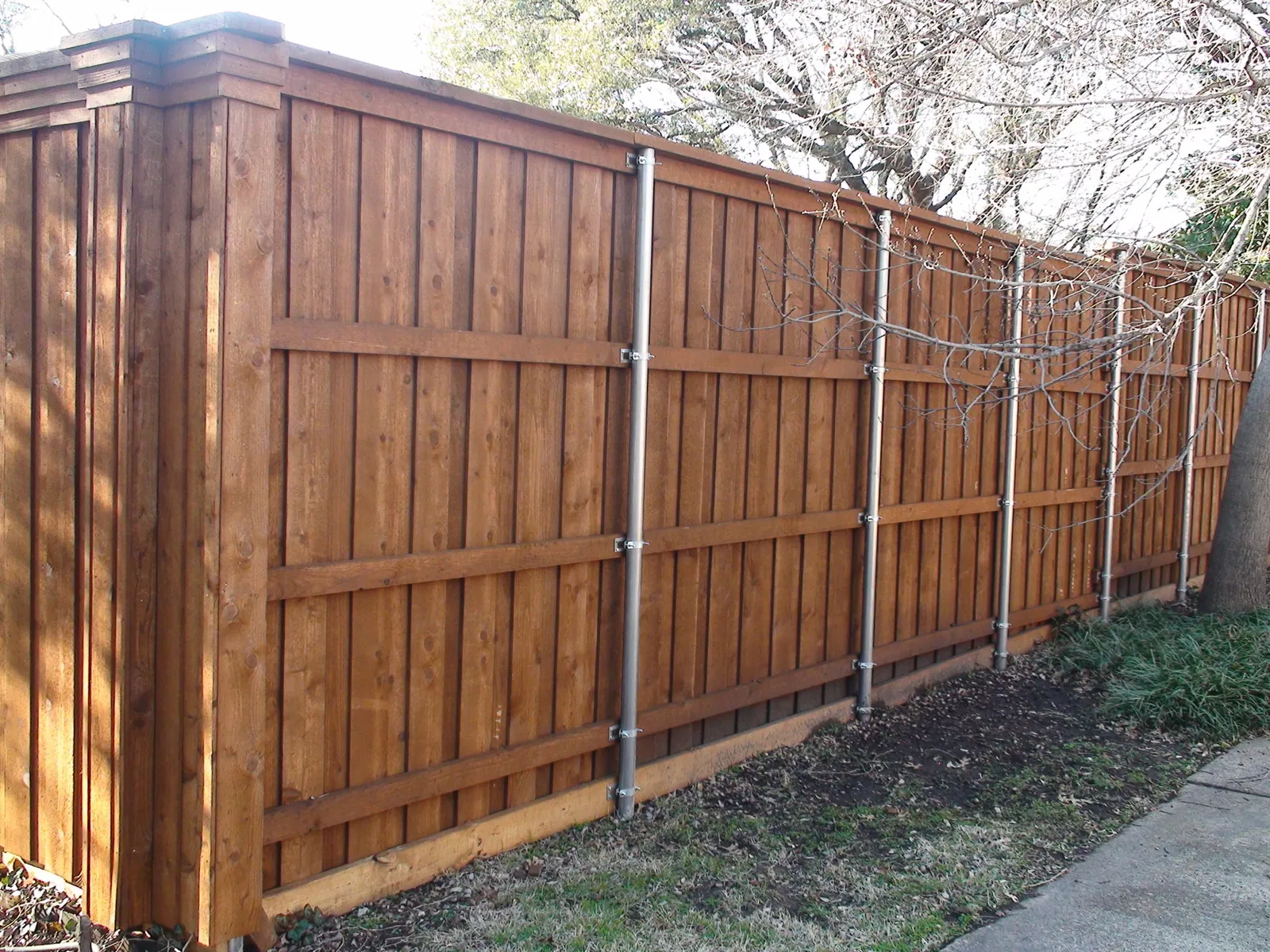
We build cedar fences in both side-by-side and board-on-board layouts, with the option of top cap, arched or scalloped tops, trim, corbels and decorative columns. Every fence includes a pressure-treated rot board at grade so the cedar itself is kept out of standing moisture.
Left unfinished, cedar weathers to a silver-grey that many homeowners like. Stained, it holds a warm tone for years. Both are valid choices, and we will tell you honestly what each one means for maintenance.
Why it works here
Built for North Texas
Custom design consultation
Every cedar fence installation project starts with a site visit, a written design and a clear estimate — at no cost.
Quality materials
We use only the finest quality material available to ensure the highest longevity together with your custom design.
Professional project manager
Personal attention, on-time completion and professional team work from design through final walkthrough.
Exclusive warranty
Fence Max Texas provides an exclusive warranty on all of its installed products.
Materials & options
- Western red cedar pickets
- Cedar or steel posts
- Pressure-treated rot board
- Top cap and trim
- Arched and scalloped tops
- Semi-transparent and solid stains
What affects cost
- Linear footage and height
- Side-by-side vs. board-on-board layout
- Cedar vs. steel posts
- Cap and trim detailing
- Stain finish
- Old fence demolition and haul-off
Texas weather
Cedar handles Texas humidity swings better than untreated pine, but UV still greys it and repeated wet-dry cycles will cup boards that were never sealed. Staining after the wood has dried is the single best thing you can do for a cedar fence in this climate.
Maintenance
Wash annually, re-stain every two to four years on sun-exposed runs, and keep irrigation off the boards. Replace individual damaged pickets early.
FAQ
Common questions
- Why is cedar more expensive than pine?
- Cedar costs more per board but resists rot and insects naturally and lasts longer in our climate, which is why it is the default recommendation for the visible parts of a residential fence.
- Should I stain my cedar fence?
- If you want to keep the warm color, yes. If you like the weathered silver look, cedar will still perform without stain — it just ages faster in appearance.
- Cedar or steel posts?
- Steel posts do not rot and stay straighter over time in expansive clay soil. Cedar posts look consistent with the fence. We will discuss the trade-off on site.
- How tall can a cedar fence be?
- Height is usually set by your city ordinance and HOA rules rather than by the material. Six and eight foot fences are both common in DFW.
- Does cedar attract termites?
- Cedar's natural oils make it far less attractive to insects than untreated pine, which is one of the main reasons it is used for fencing here.
Recent work
Cedar Fence Installation projects
Keep exploring
Related services
Ready to start your project?
Free design and estimate consultation across the Dallas–Fort Worth area. No haggle pricing, no bait and switch.