Service
Pressure-Treated Wood Fencing
Pressure-treated lumber is chemically treated to resist rot and insects, making it a cost-effective fencing option and the standard material for rot boards and framing. Fence Max Texas installs pressure-treated fencing across Dallas–Fort Worth for budget-conscious and utility applications.
Pressure-treated pine is lumber that has been chemically treated to resist rot, fungus and insect damage. It is the material we use for rot boards on virtually every wood fence we build, and it is a legitimate choice for the whole fence when budget is the deciding factor.
It does not have cedar's natural oils or grain, and it moves more as it dries, so expectations should be set accordingly. Where it earns its place is in ground contact and in structural roles where appearance is secondary.
For many properties the right answer is a combination: pressure-treated posts and rot board carrying cedar pickets above.
Why it works here
Built for North Texas
Custom design consultation
Every pressure-treated wood fencing project starts with a site visit, a written design and a clear estimate — at no cost.
Quality materials
We use only the finest quality material available to ensure the highest longevity together with your custom design.
Professional project manager
Personal attention, on-time completion and professional team work from design through final walkthrough.
Exclusive warranty
Fence Max Texas provides an exclusive warranty on all of its installed products.
Materials & options
- Pressure-treated pine pickets
- Pressure-treated posts and rails
- Pressure-treated rot board
- Cedar picket upgrade option
- Solid-body stains
What affects cost
- Linear footage and height
- Full pressure-treated vs. mixed cedar build
- Picket layout
- Post depth and material
- Finish
- Demolition and haul-off
Texas weather
Treated lumber arrives wet and shrinks noticeably as it dries out in the Texas heat. Allowing it to dry before staining, and expecting some movement in the first season, are both part of using the material well.
Maintenance
Wait for the wood to dry before applying finish, then re-coat on a two-to-three-year cycle. Expect to replace an occasional warped board earlier than you would with cedar.
FAQ
Common questions
- How long does pressure-treated fencing last?
- Longevity depends on grade, installation and maintenance. Treated wood resists rot well but is more prone to warping and checking than cedar in our climate.
- Can it be stained?
- Yes, once it has dried out. Staining wet treated lumber traps moisture and the finish will not hold.
- Is it safe around gardens and pets?
- Modern treatment chemistry replaced the older arsenic-based formulations. Follow standard handling guidance and it is used routinely in residential settings.
- Why is pressure-treated wood used for the rot board?
- Because that board sits closest to the soil, where moisture and insects do their damage. Treated lumber is the right material for that specific job.
- Should I mix treated and cedar?
- It is a common and sensible approach: treated posts and rot board for durability at grade, cedar pickets for appearance above.
Recent work
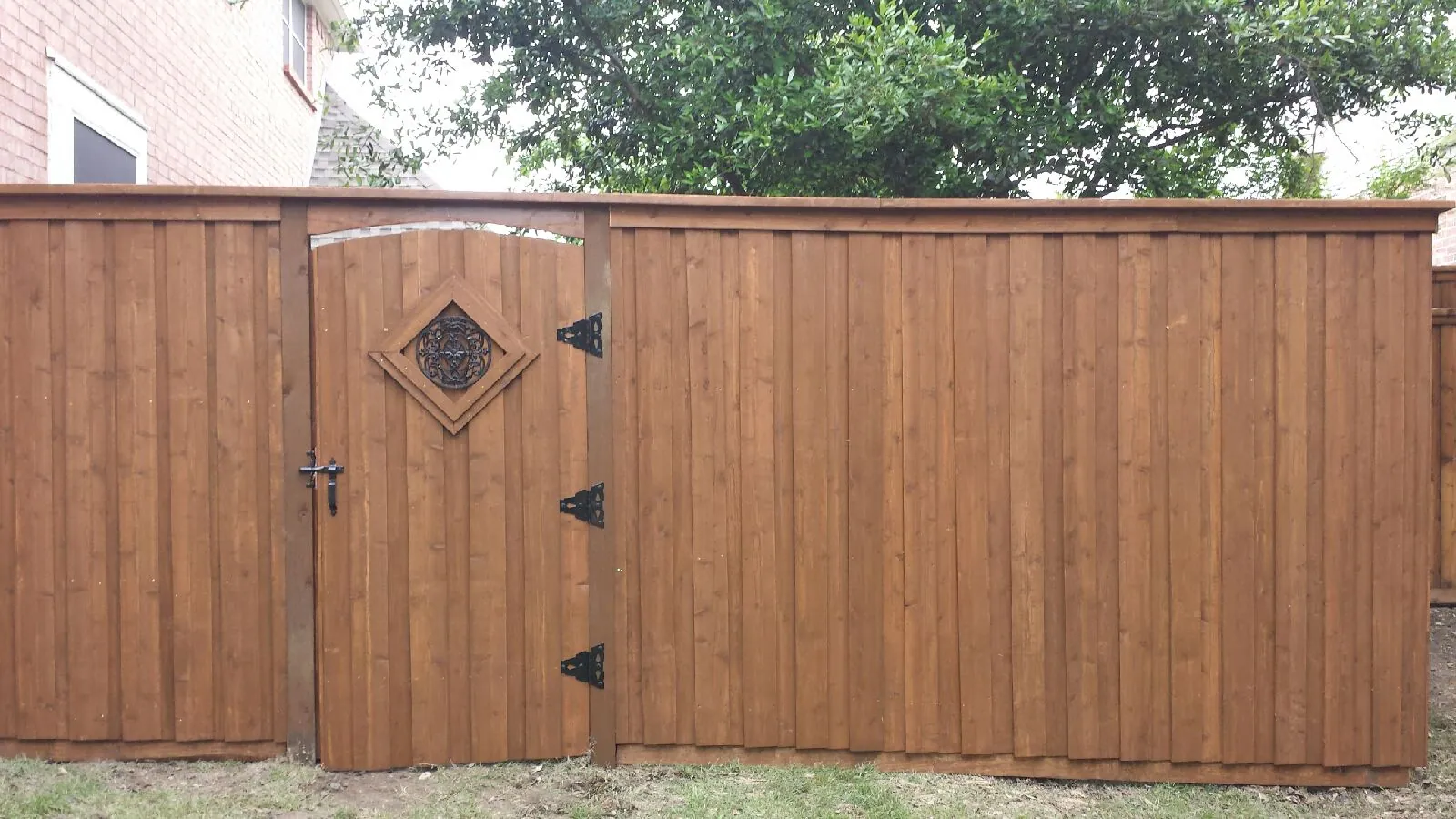
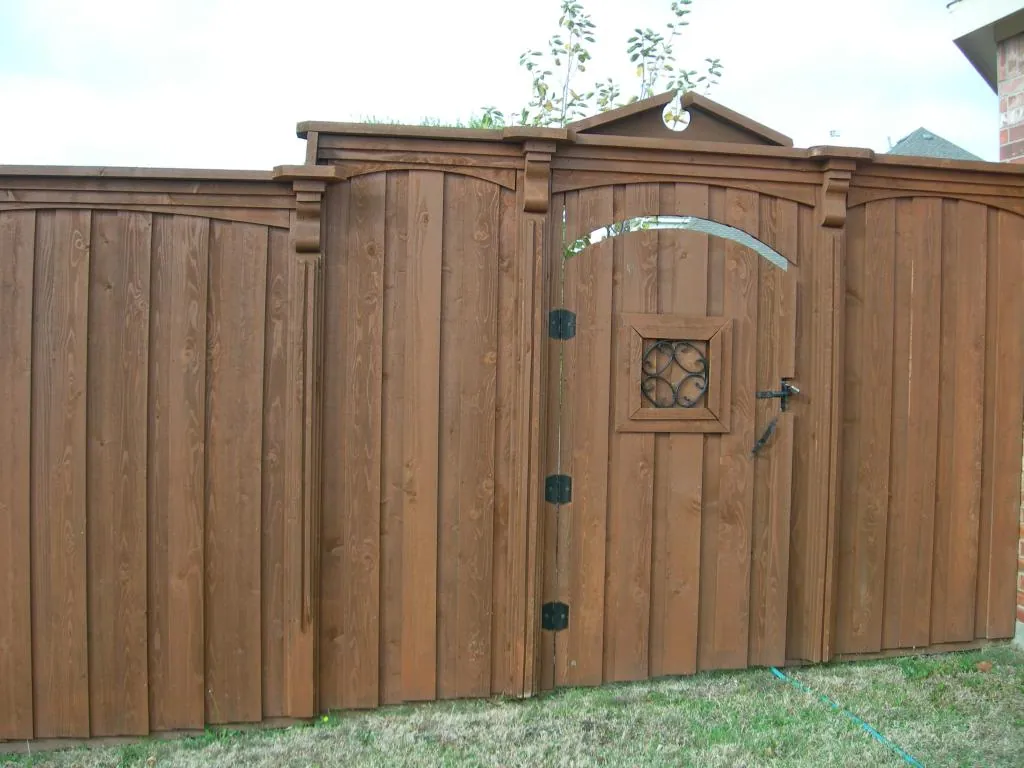
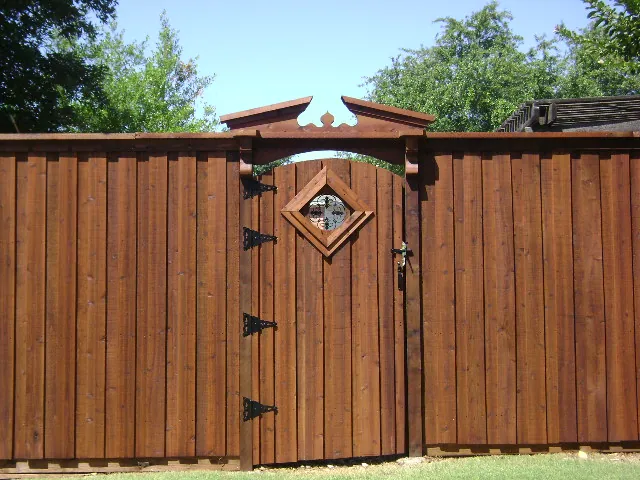
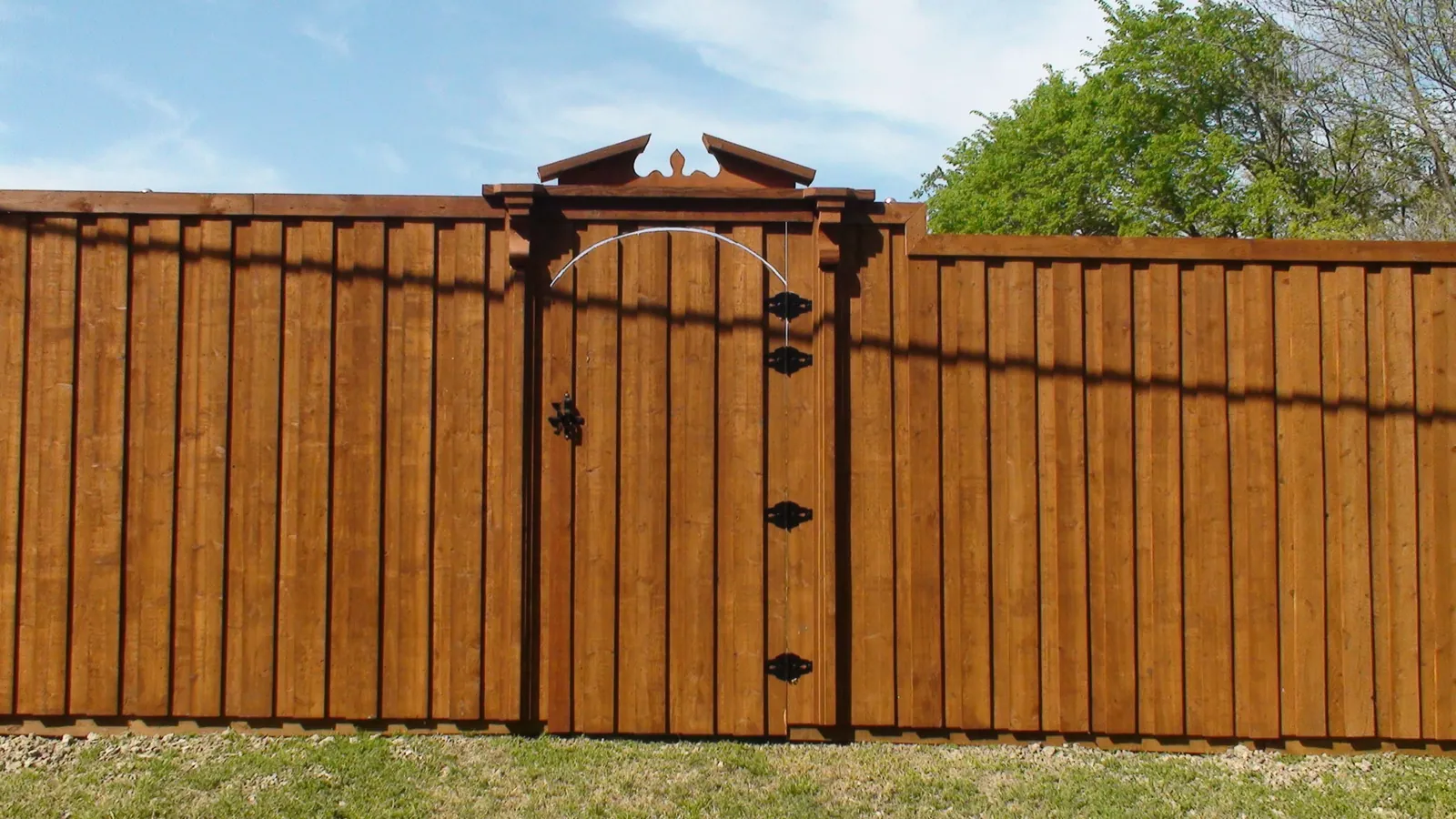
Pressure-Treated Wood Fencing projects
Keep exploring
Related services
Ready to start your project?
Free design and estimate consultation across the Dallas–Fort Worth area. No haggle pricing, no bait and switch.